The complete guide to documenting property damage
Create a safe, credible visual inventory before cleanup or repairs change the scene.
Key takeaways
- Address immediate safety hazards first.
- Capture context, detail, serial numbers, and affected rooms.
- Track emergency spending and preserve damaged items when safe.
Make safety the first decision
Do not enter an unsafe structure or touch electrical, fire, chemical, or contaminated-water hazards. Follow emergency and utility instructions before documenting.
Capture the scene systematically
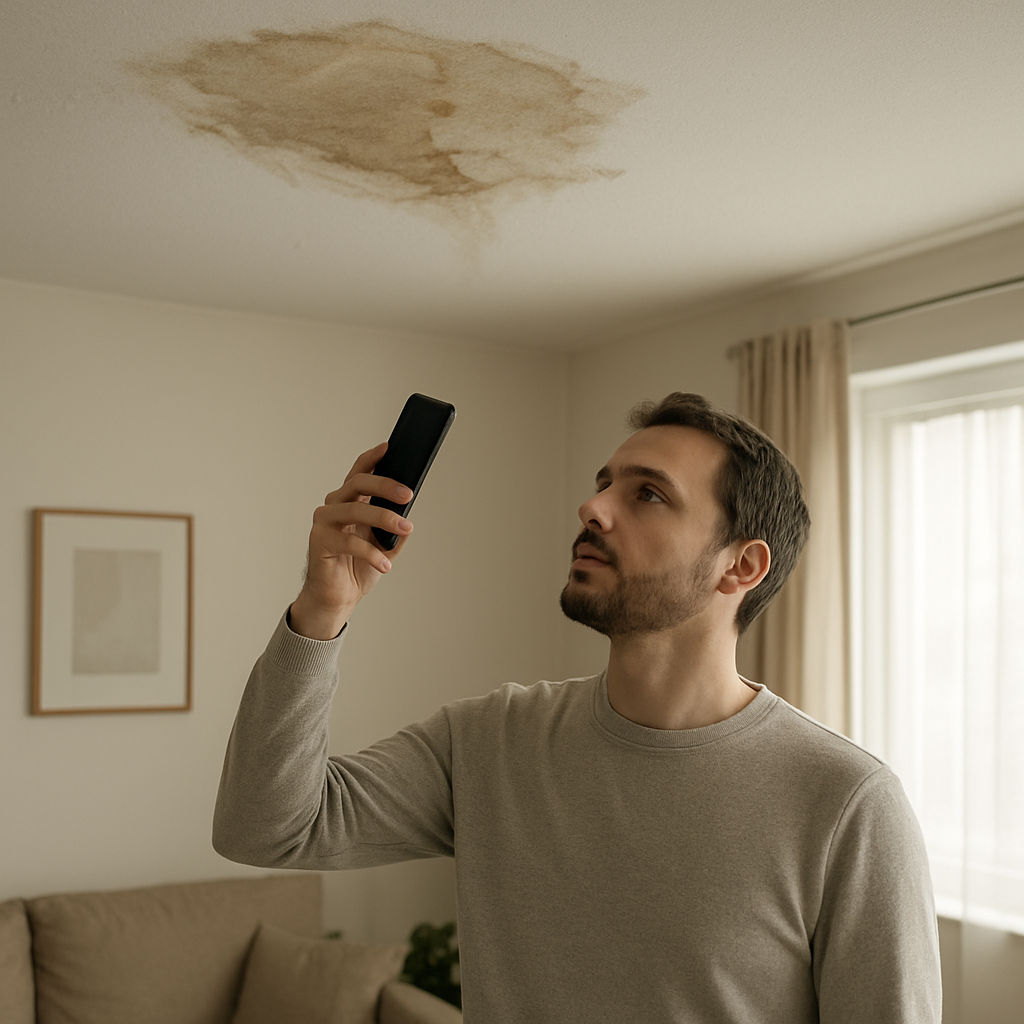
Begin outside, then record each room from the doorway before taking close photographs. Narrate video slowly and identify the date, location, and visible condition.
Checklist
- Exterior and entry points
- Every affected wall, floor, and ceiling
- Labels, serial numbers, and receipts
- Temporary protection and cleanup
Build an inventory and cost log
List damaged items with age, condition, model, estimated replacement cost, and supporting records. Save emergency lodging, supplies, and mitigation receipts.
Avoid disposing of items until the insurer or relevant professional confirms what may be discarded, unless safety requires removal.
Common questions
Frequently asked questions
A clearer next step
Organize your situation before details get lost.
Preserve evidence, build a timeline, and prepare a summary you can use when speaking with a qualified professional.
Get help now